
NFT smart contract development
Build ERC-721 and ERC-1155 contracts for collections, game items and digital access. Define issuance, metadata, permissions and application integration.
No specification yet? Start with your idea and the problem to solve.


01 / CAPABILITIES
What we can build
Collections and items
ERC-721 and ERC-1155, editions, roles and transfer rules.
Minting and metadata
Allowlists, limits, reveals, URIs and media storage design.

Sales and integrations
Minting interface, scoped auctions, wallets and marketplaces.
02 / DELIVERABLES
What your team receives
Choose the standard based on asset structure: unique objects or asset types with editions. Agree on minting and metadata storage before implementation.
-
Asset specification
Standard, editions, states and ownership permissions.
-
Contracts
Source code and checks for minting, transfers and access.
-
Metadata
File structure, references and update rules.
-
Launch
Test collection, deployment and integration documentation.
03 / OUR EXPERIENCE
Projects by our team
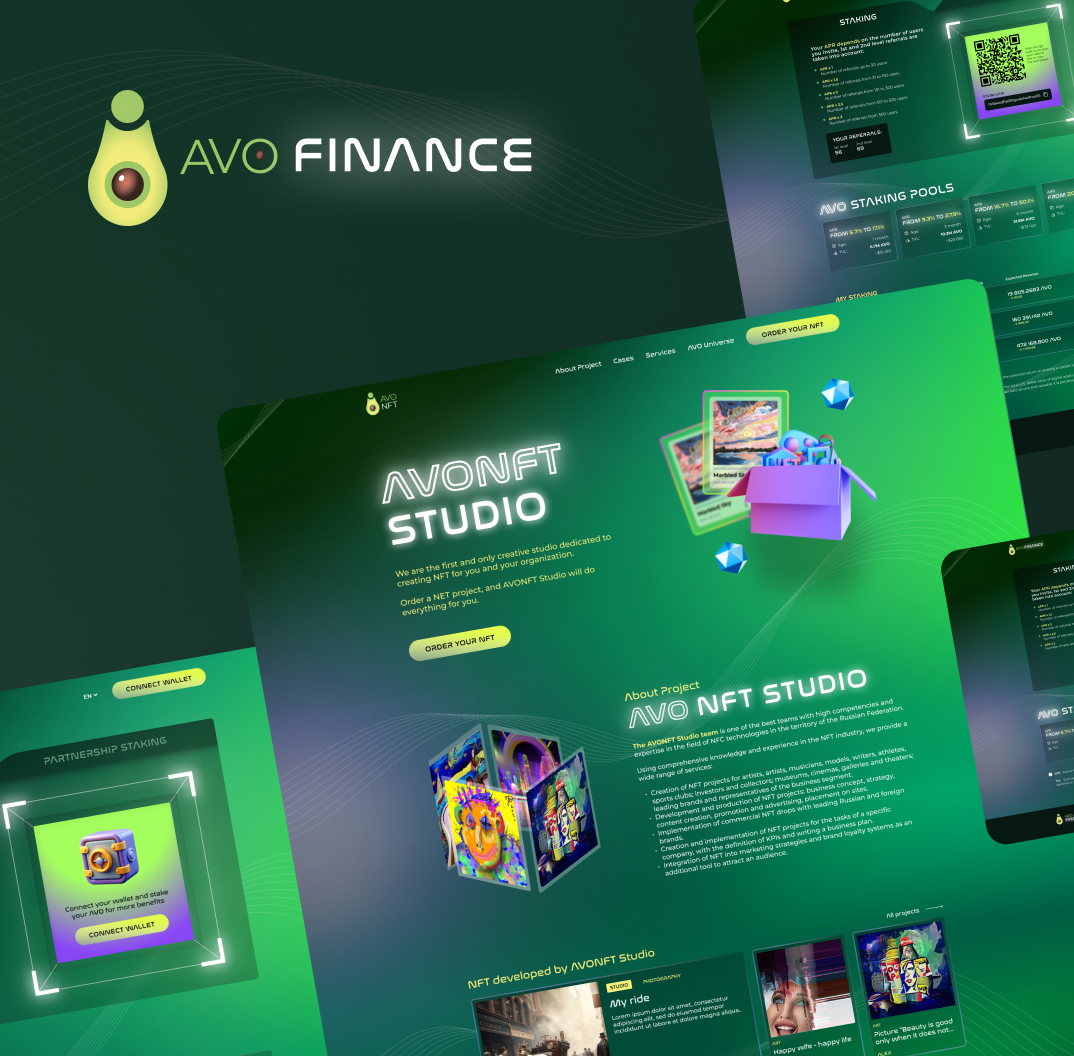
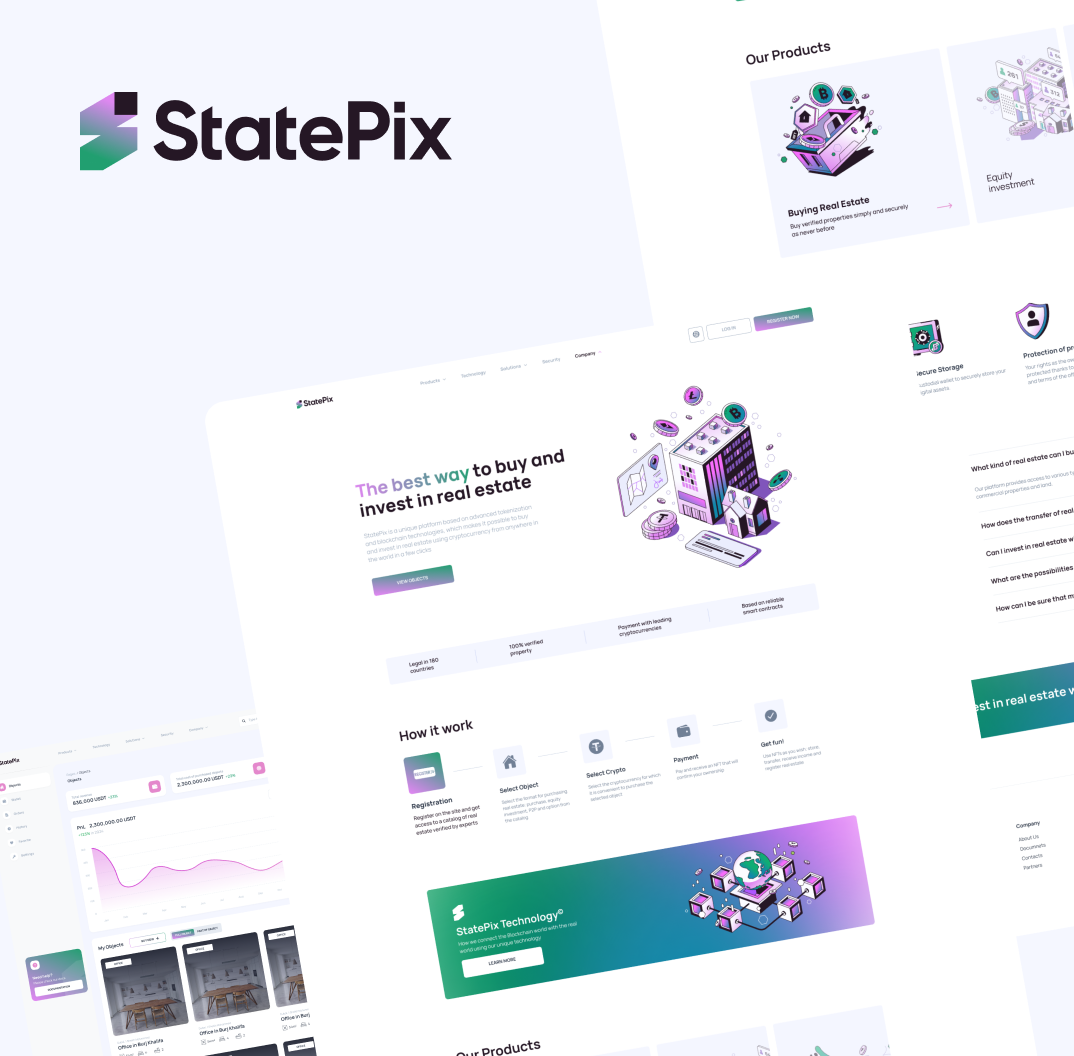
View all case studiesProjects from our portfolio. Each case study describes its scope, technologies and implemented features.
04 / ENGINEERING
What we consider before development
Media storage
Contracts and media live in different layers; define availability and storage ownership.
Marketplace compatibility
Validate required integrations; royalty enforcement depends on the venue.
Minting controls
Check supply limits, permissions and repeated mint attempts.
05 / COST AND TIMELINE
An estimate for your scope
Define the first release and acceptance criteria, then estimate development, integrations and testing by stage.
First release
Collection standard, minting and transfer rules.
Logic and integrations
Metadata, minting interface, wallets and marketplaces.
Testing and launch
Limit tests, compatibility checks and deployment.
06 / PROCESS
From discussion to a working product
-
Understand the scope
Review the product, users and constraints. Agree on priorities.
-
Design the solution
Define workflows, architecture and acceptance criteria.
-
Build and validate
Share progress and test features and integrations.
-
Release and hand over
Prepare the release, deliver source code and agree on further support.
What our clients say
All reviewsIn the end, we received a complete, working product. The team is responsible, stays in touch and is committed to the outcome. I can recommend them for complex development projects.
Product development
Review excerpt
The team immersed themselves in the project and proposed a clear architecture and a phased work plan. All the key MVP features were implemented with security and scalability requirements in mind.
Crypto wallet · Web & Mobile
Review excerpt
07 / GOOD TO KNOW
Questions and answers
What is the difference between ERC-721 and ERC-1155?
ERC-721 creates fully unique tokens — each NFT exists as a single copy. ERC-1155 lets one contract issue both unique and multi-edition tokens and transfer them in batches, which significantly saves gas. The choice of standard depends on your collection mechanics.
What does NFT contract development include?
We write the contract itself, set up the metadata structure, implement the mint mechanics — public, whitelist-based, or phased, add EIP-2981 royalties, cover the code with tests, and deploy it with explorer verification.
Where are NFT images and metadata stored?
Media files and JSON metadata are hosted on decentralized storage like IPFS or Arweave so they do not depend on a single server. We keep the metadata format compatible with OpenSea and other marketplaces.
How long does it take to launch an NFT collection?
We estimate the first release, integrations, readiness of source data and required testing. After discussing the scope, we provide an estimate by stage, with external services and future work listed separately.
How can mint fees be reduced for users?
We use the gas-optimized ERC-721A implementation for batch minting, ERC-1155 batch operations, and, where appropriate, deployment to L2 networks like Polygon or Base plus lazy mint mechanics, where the buyer pays gas at purchase time.
Will the collection be compatible with marketplaces?
Yes. We implement the standard interfaces, so tokens display and trade correctly on OpenSea, Blur, Rarible, and other platforms, and royalties are honored on marketplaces that support EIP-2981.
Discuss a project
Let’s start with your project
Tell us what you want to build or improve. We will discuss the first release, dependencies and next steps.