
P2P crypto platform development
Build services for user-to-user trading: listings, offer discovery, settlement tracking and dispute handling. Choose the custody and transaction model to fit the product.
No specification yet? Start with your idea and the problem to solve.
01 / CAPABILITIES
What we can build
Listings and trades
Offers, filters, limits, statuses and interaction history.
Settlement and reserves
Asset accounting, payment confirmation and escrow in the selected architecture.
Support and controls
Disputes, evidence, operator roles, limits and activity logs.
02 / DELIVERABLES
What your team receives
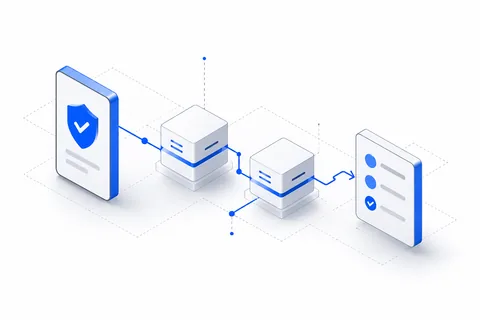
Map the full trade lifecycle, from publishing an offer to completion or dispute. Define the responsibilities of the platform and its participants.
-
Platform rules
Trade states, timeouts, fees and dispute procedures.
-
User accounts
Offers, trades, notifications and transaction history.
-
Backend
Settlement, reservations, integrations and operator tools.
-
Testing and launch
Payment failures, retries, staging and documentation.
03 / OUR EXPERIENCE
Projects by our team
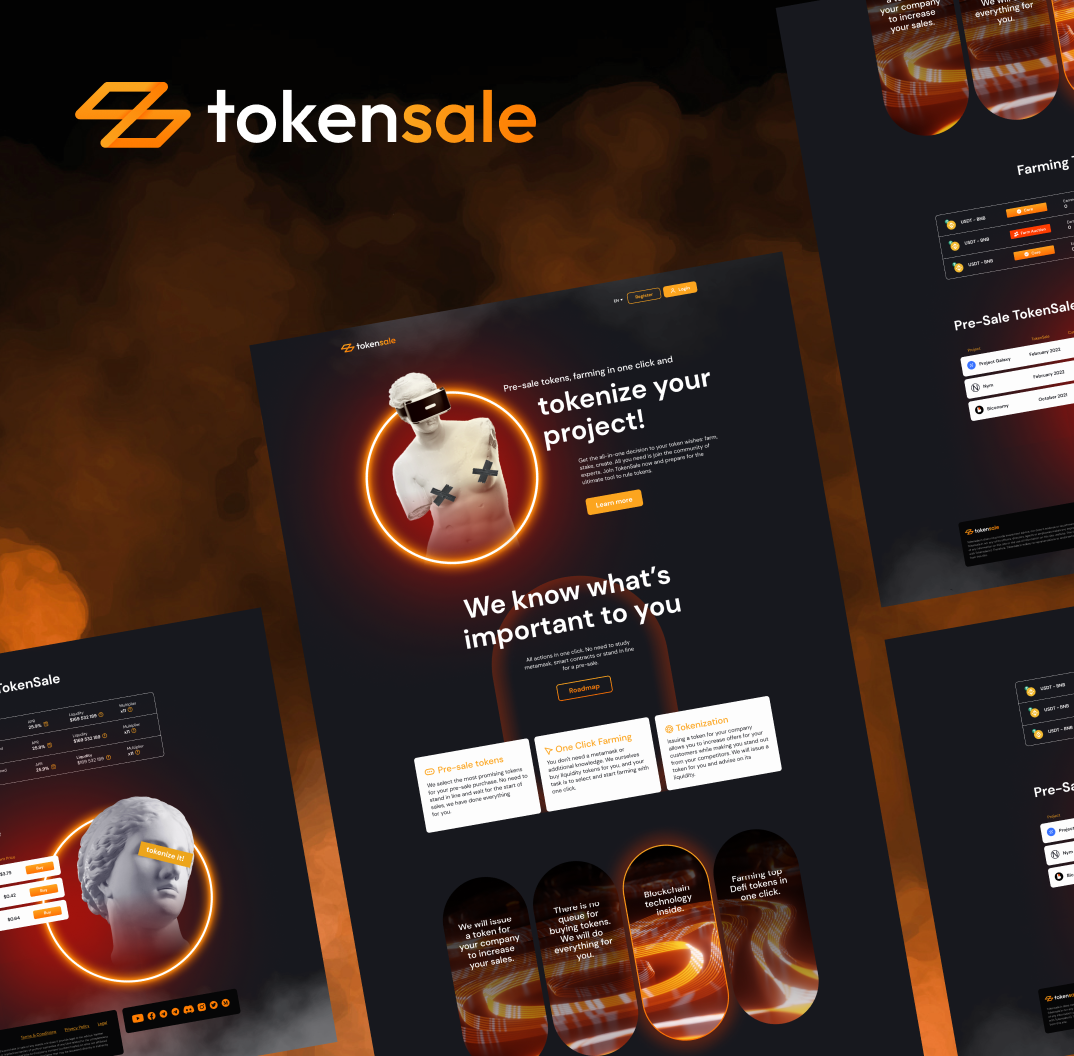
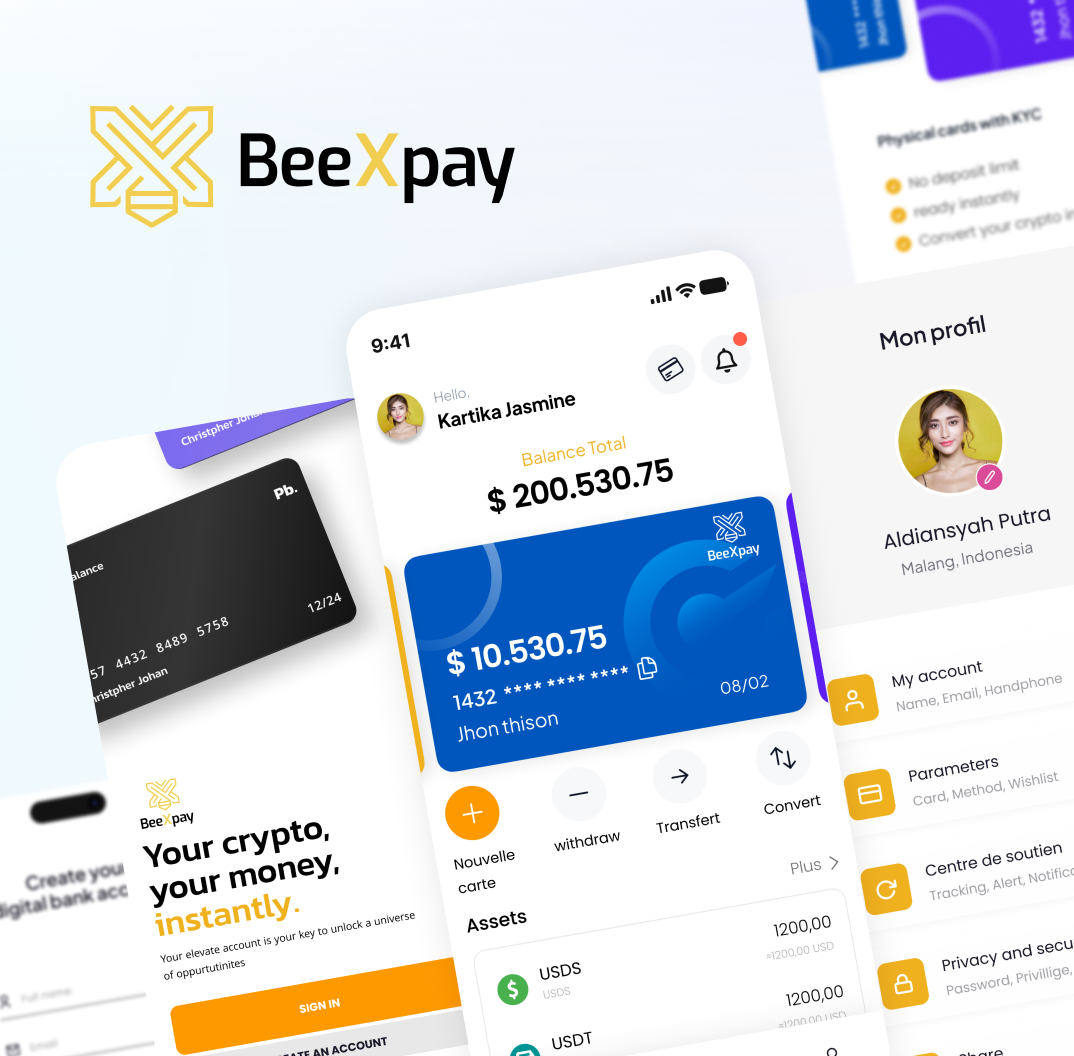
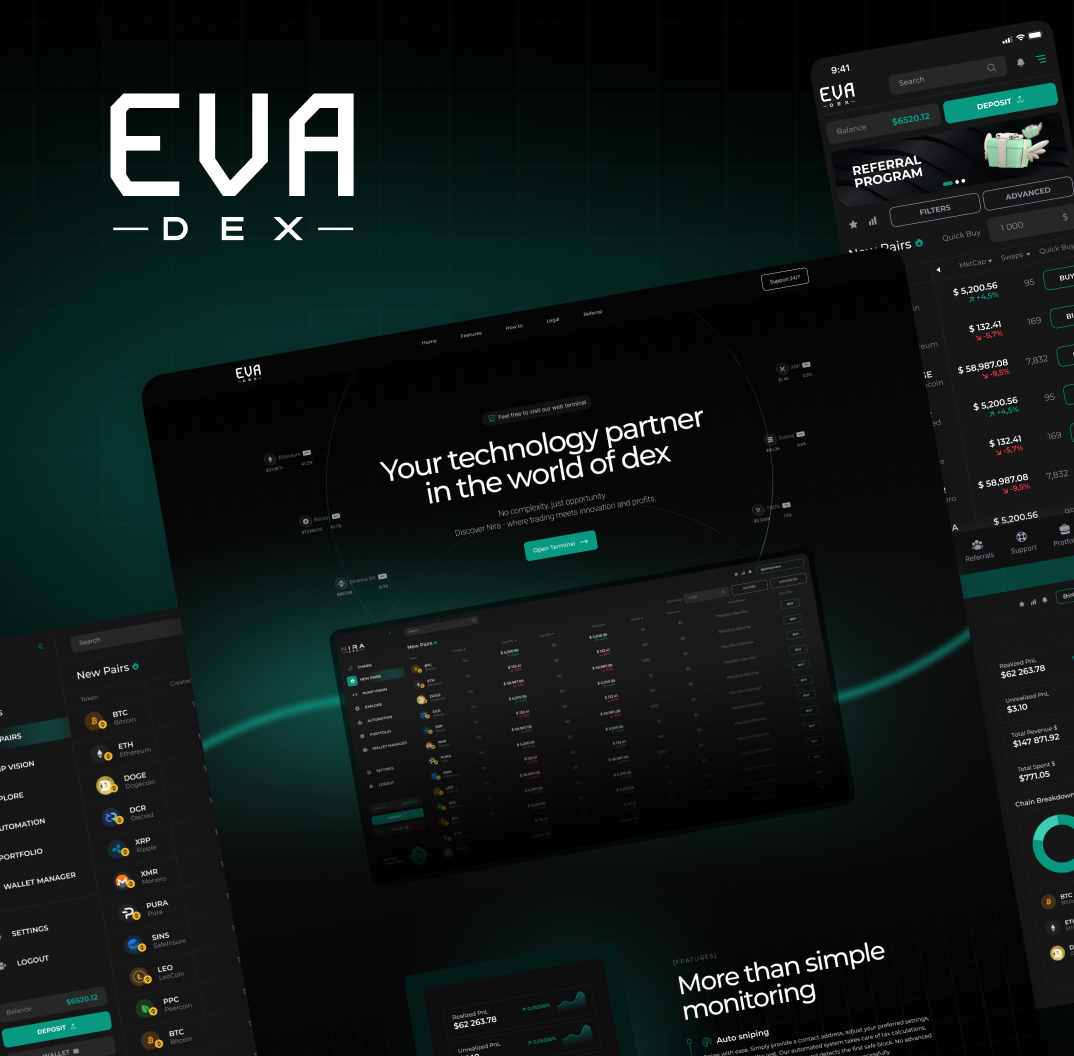
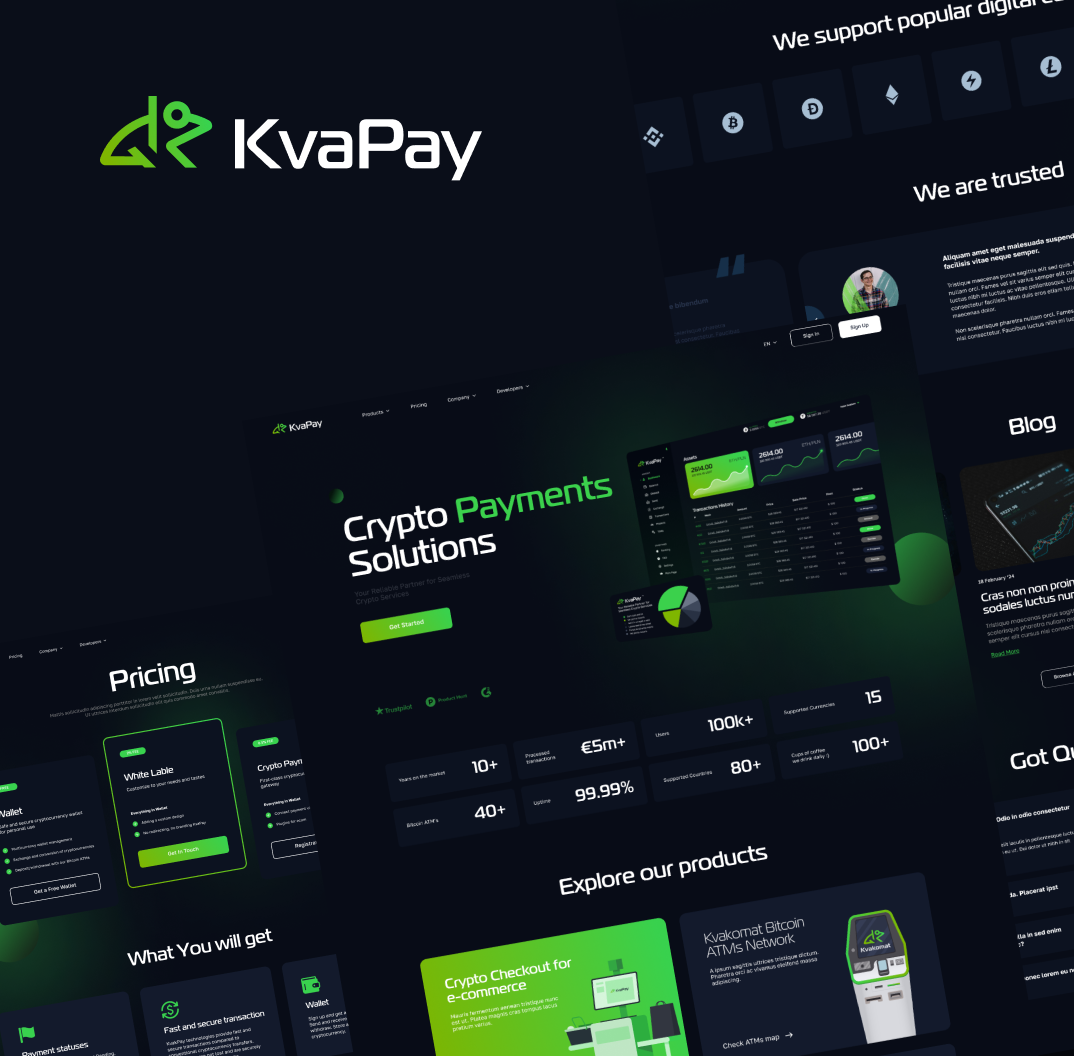
View all case studiesProjects from our portfolio. Each case study describes its scope, technologies and implemented features.
04 / ENGINEERING
What we consider before development
Payment confirmation
Separate external payment events from the decision to complete a trade.
Disputes and misuse
Define evidence, support powers and suspicious-activity controls.
Custody model
Decide how keys and assets are managed before building the interface.
05 / COST AND TIMELINE
An estimate for your scope
Define the first release and acceptance criteria, then estimate development, integrations and testing by stage.
First release
Offer types, trade states and participant roles.
Logic and integrations
Escrow model, payments, verification and notifications.
Testing and launch
Disputes, timeouts, repeated events and operational controls.
06 / PROCESS
From discussion to a working product
-
Understand the scope
Review the product, users and constraints. Agree on priorities.
-
Design the solution
Define workflows, architecture and acceptance criteria.
-
Build and validate
Share progress and test features and integrations.
-
Release and hand over
Prepare the release, deliver source code and agree on further support.
What our clients say
All reviewsIn the end, we received a complete, working product. The team is responsible, stays in touch and is committed to the outcome. I can recommend them for complex development projects.
Product development
Review excerpt
The team immersed themselves in the project and proposed a clear architecture and a phased work plan. All the key MVP features were implemented with security and scalability requirements in mind.
Crypto wallet · Web & Mobile
Review excerpt
07 / GOOD TO KNOW
Questions and answers
What kinds of P2P projects do you develop?
P2P exchangers and listing marketplaces, OTC platforms for large trades, and services for direct asset transfers between users — both as standalone products and as P2P modules inside existing platforms.
How are trades between strangers protected?
Through escrow: the seller’s crypto is locked by a smart contract or a multisig wallet and released only after payment is confirmed. For conflicts there is a dispute system with arbitration and evidence upload.
Can fiat payment methods be supported in P2P trades?
Yes. The buyer sends fiat directly to the seller via a convenient method (bank transfer, payment services), while the platform holds the crypto in escrow until receipt of funds is confirmed — just like the classic P2P sections of major exchanges.
How does the platform fight fraud?
We implement ratings and trade history, KYC verification, limits for new accounts, automated anti-fraud rules, and monitoring of suspicious activity with offender blocking.
Will the P2P platform be custodial or smart-contract based?
Both options are possible: fully on-chain escrow on smart contracts (the platform never touches the funds) or a custodial model with multisig — the choice depends on the networks, audience, and regulatory requirements.
How long does it take to launch a P2P platform?
We estimate the first release, integrations, readiness of source data and required testing. After discussing the scope, we provide an estimate by stage, with external services and future work listed separately.
Discuss a project
Let’s start with your project
Tell us what you want to build or improve. We will discuss the first release, dependencies and next steps.