
Crypto wallet
development
Custom cryptocurrency wallets for web and mobile: balances, transfers, swaps and multiple networks. We start with key ownership and the scope of your first release.
A short description of your project is enough to start.

01 / YOUR PRODUCT
A wallet built around its users
A custom crypto wallet starts with its users and the transactions they need to make. Those decisions shape the interface, supported networks, recovery and operational tooling.
Mobile wallet
Receive and send assets, review history, manage access and receive notifications. Swaps, staking and NFTs can be added to the agreed scope.
Web wallet and Mini App
A wallet in a browser, customer portal or Telegram. We connect it to an existing product and design the authentication flow.
Telegram wallet developmentTeam and operational wallet
Operator roles, limits and transaction approvals. Browser extensions and hardware-device integrations are scoped separately.
Who controls the keys?
| Decision | Custodial wallet | Non-custodial wallet |
|---|---|---|
| Signing | The service operator manages keys and signing. | The user controls transaction signing. |
| Recovery | An operator-led process with agreed access checks. | Depends on backups, devices and the chosen architecture. |
| Infrastructure | Key isolation, withdrawal limits, roles and operation logs. | User-side key protection and clear approval of transactions. |
User accounts, internal transfers, deposits, withdrawals and operator tools. Explore the architecture and first-release scope.
02 / DELIVERABLES
The first release: from access to transfer
Choose a complete user journey and a focused network list for the MVP. Hot and cold storage describe key handling; they are separate decisions from who has custody.
-
Access and recovery
Wallet creation or connection, authentication and the agreed recovery process.
-
Assets and balances
Selected networks and tokens, balance updates and transaction history.
-
Receive and send
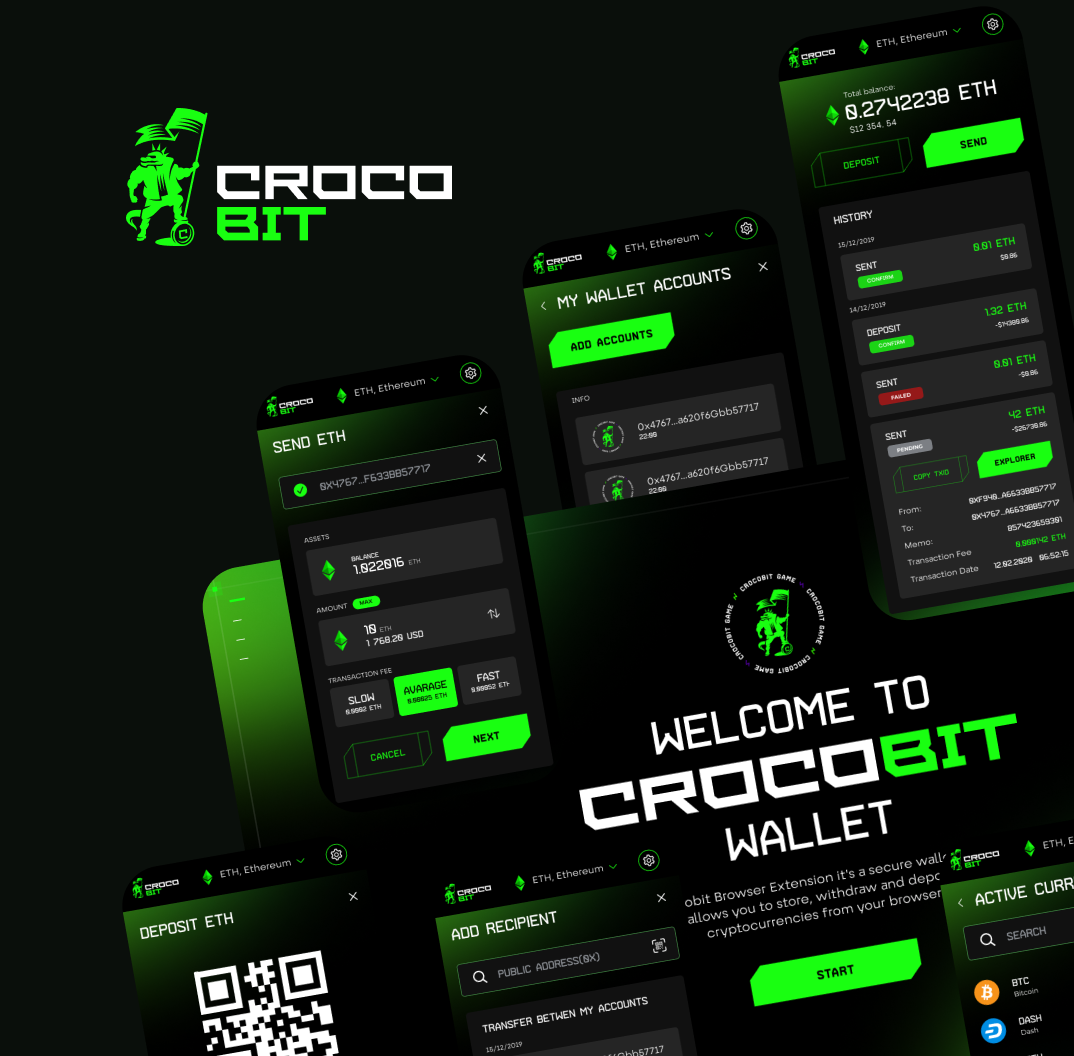
Addresses, QR codes, recipient checks, fees and transaction approval.
-
States and errors
Pending confirmations, failed transactions and clear next steps for the user.
-
Operations and handover
Source code, instructions, monitoring and support tools within the agreed scope.
03 / COST AND TIMELINE
Scope the architecture and features
Crypto wallet development cost depends on more than screens. Key management, blockchain infrastructure and asset operations are major parts of the scope.
Platforms and access
Web, iOS, Android or an extension; authentication, key management and recovery.
Networks and data
Blockchain count, tokens, indexing, RPC services and transaction history.
Product integrations
Swaps, staking, dApps, user checks and operator tools.
04 / A FREEBLOCK PROJECT
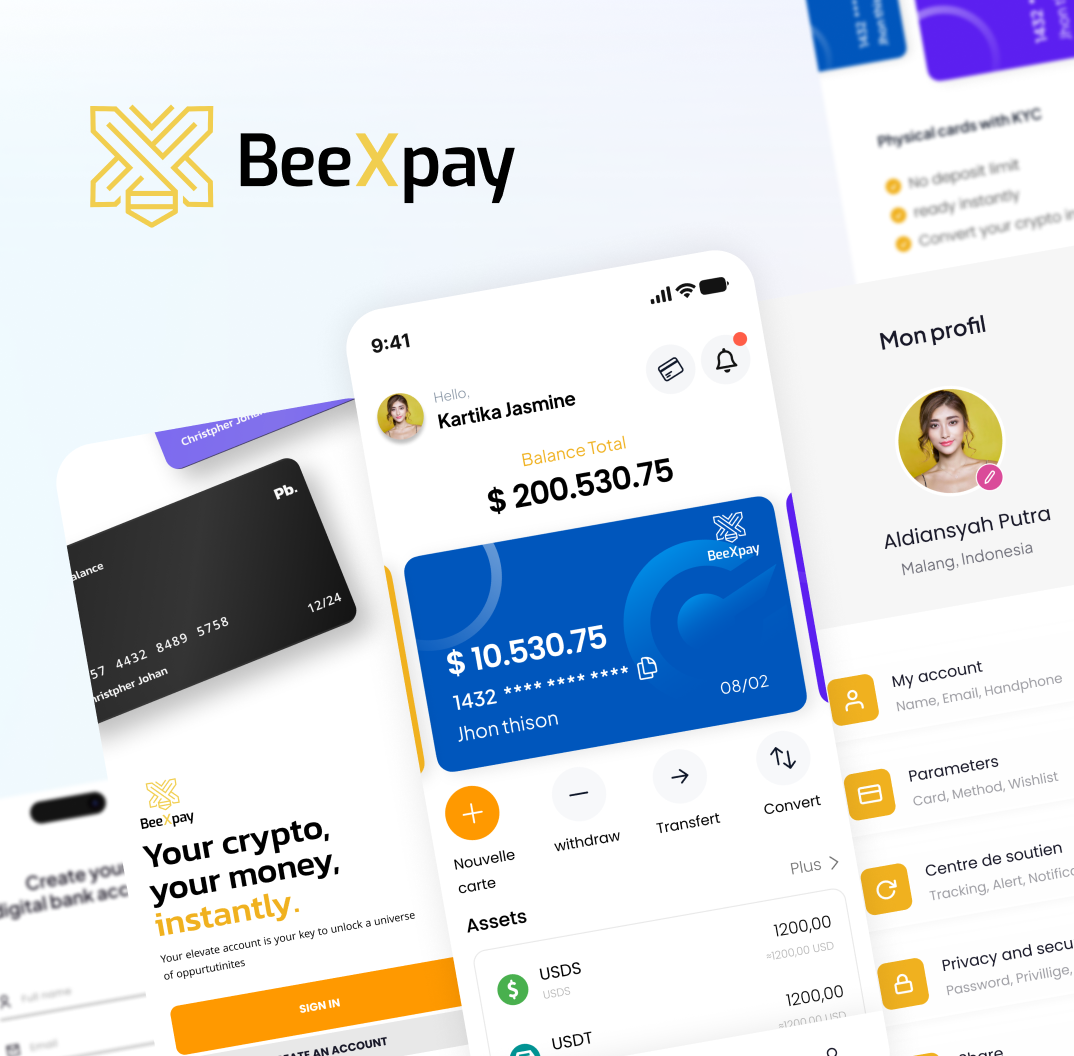
BeeXPay.app
A cryptocurrency wallet built as a Telegram Mini App, bringing assets, transfers, exchange, bank cards and a user profile into one interface.
Read the full caseThe task
Develop the wallet’s user journeys, from registration and balance review to transfers, exchange and card management.
What we built
- A balance and asset dashboard with Deposit, Withdraw, Transfer and Convert actions.
- A card wallet with card details and limits.
- Onboarding, profiles, transaction history and a support centre.
This case shows how asset operations and everyday user journeys can work in one product. The project page describes the full scope.
05 / ARCHITECTURE AND VALIDATION
Keys, transactions and permissions
Security decisions precede interface development. We define who can sign transactions and what happens if access is lost.
Key management
Define generation, storage, backup and signing. Secrets and permissions follow the selected model.
Transaction checks
Show the network, recipient, asset and fee before approval. Check duplicate submissions and unexpected transaction states.
Operational controls
Agree on logging, monitoring, limits and support procedures. Additional security reviews are planned explicitly.
Swaps, staking and dApp connections add external dependencies. Provider compatibility, fees and API constraints are reviewed before the integration scope is agreed.
Technologies and integrations
Interfaces
React and TypeScript for web; React Native or Flutter for mobile according to project requirements.
Backend and networks
Node.js, blockchain APIs and indexing. Bitcoin, Ethereum, EVM networks including BNB Chain, TRON and other networks selected for the required assets.
Tokens and dApps
ERC-20, ERC-721, BEP-20 and TRC-20 on the appropriate networks. WalletConnect, swaps and staking follow the integration scope.
Technologies
Blockchains
Technical references: Wallets and asset management
06 / PROCESS
How we work
-
Scope the product
Define users, custody, networks and the MVP.
-
Design architecture and UX
Map access, transfers and recovery.
-
Build and test
Test interfaces, transactions and integrations.
-
Launch and support
Hand over code, documentation and an operational plan.
08 / FAQ
Before you start
What types of crypto wallets do you develop?
Web and mobile wallets, embedded wallets and multi-currency products. Browser extensions and hardware-device integrations are scoped separately. The format depends on users and key management.
How do custodial and non-custodial wallets differ?
In a custodial model, the operator manages keys and transaction signing. In a non-custodial model, the user controls signing. This affects recovery, infrastructure and the interface.
How much does custom crypto wallet development cost?
We estimate platforms, key management, networks, integrations and testing. Start with the users and essential transactions. We then propose an MVP and delivery stages rather than a universal fixed package.
Which networks and tokens can be integrated?
We assess Bitcoin, Ethereum and other EVM networks, TRON and additional blockchains. Each token’s network, standard and contract address are verified. Fees, confirmations and infrastructure differ.
How does a user recover access?
Recovery depends on the architecture: an operator-led process, backup, seed phrase or another agreed mechanism. It is designed alongside key management rather than added after launch.
Can you add swaps, staking and NFTs?
Yes, through selected protocols and providers. We review network compatibility, liquidity sources, fees and API conditions. These features can be part of the MVP or later releases.
Can you extend an existing wallet?
Yes. We first review the source code, key architecture, APIs and current user flows. We then identify what can be reused and where migration or changes are needed.
FREEBLOCK / LET’S TALK
Start with your project.
Tell us who will use the wallet, which networks it needs and which transactions are essential. We will scope custody and the first release together.