
Trading bot development
Automate your trading logic for CEX and DEX, from signals and order execution to monitoring. Test strategies on data and simulated execution before launch.
No specification yet? Start with your idea and the problem to solve.
01 / CAPABILITIES
What we can build
Strategy execution
Signals, entry and exit rules, order management and API failure handling.
Arbitrage systems
Compare prices and execute with fees, latency and liquidity taken into account.
Copy trading
Strategy subscriptions, capital allocation, limits and execution monitoring.
02 / DELIVERABLES
What your team receives
Define strategy rules, data sources, exchange constraints and risk limits. Developing a bot does not guarantee strategy returns.

-
Strategy specification
Unambiguous rules, parameters and emergency limits.
-
Bot and connectors
Data collection, execution, order management and operation logs.
-
Validation
Historical scenarios, simulation and a controlled launch plan.
-
Operational controls
Dashboard, alerts and documentation.
03 / OUR EXPERIENCE
Projects by our team
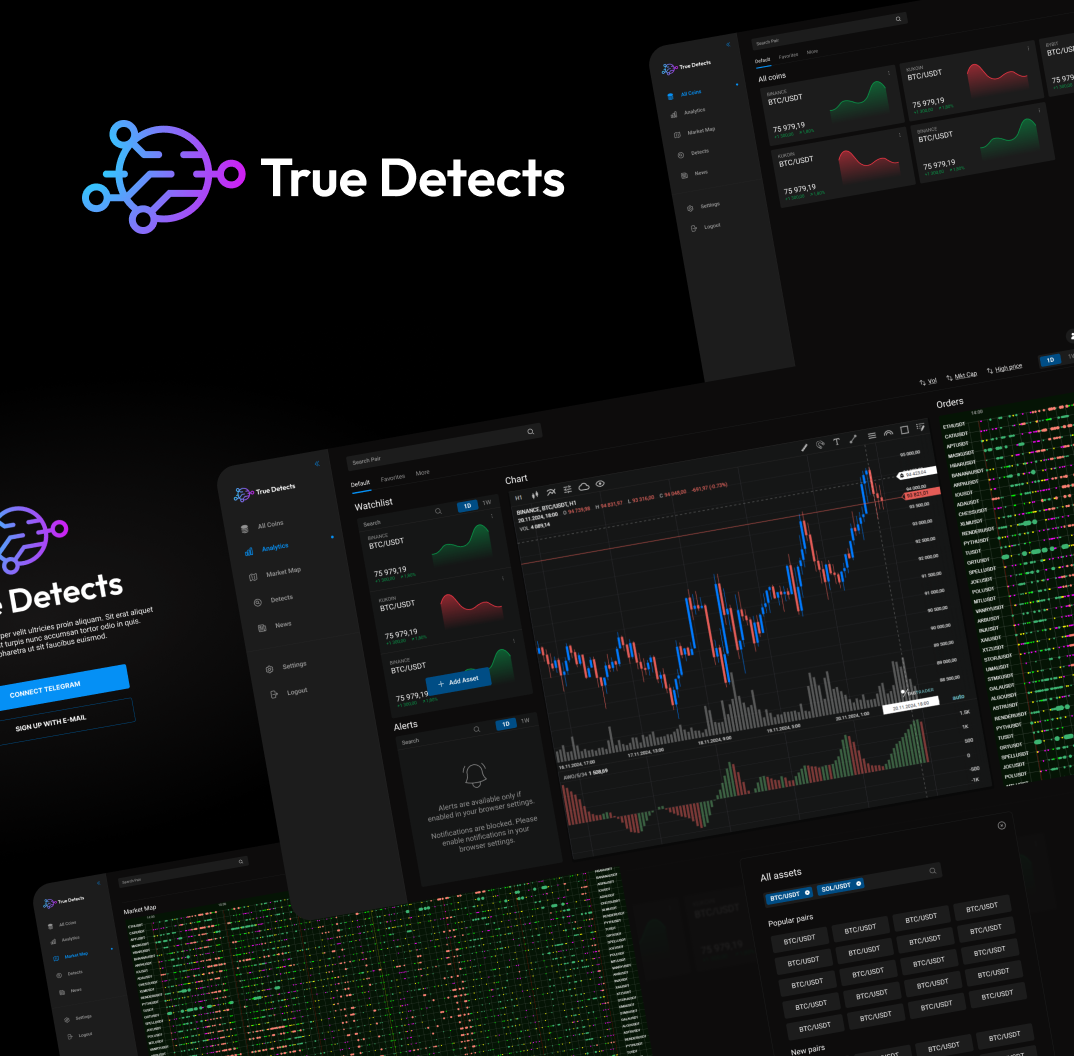
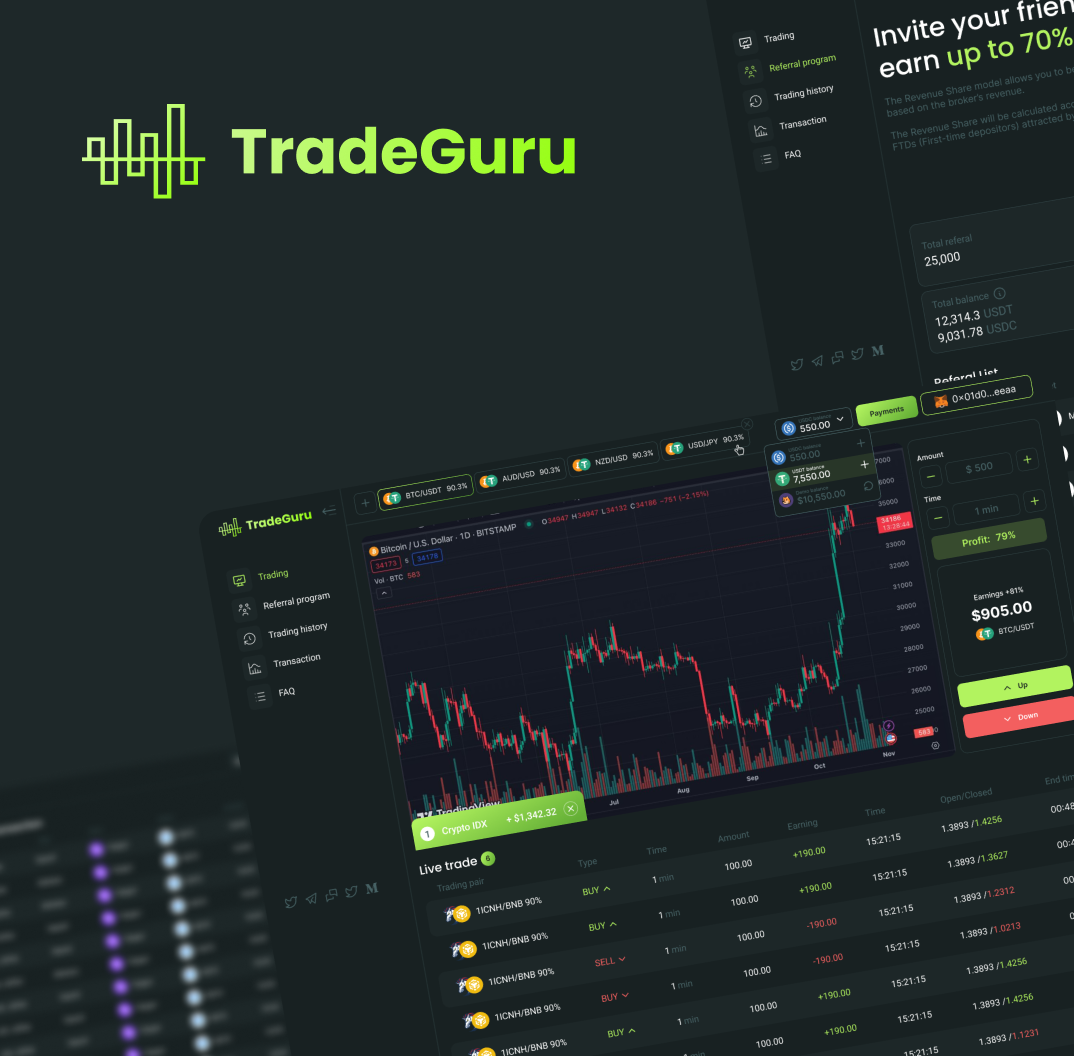
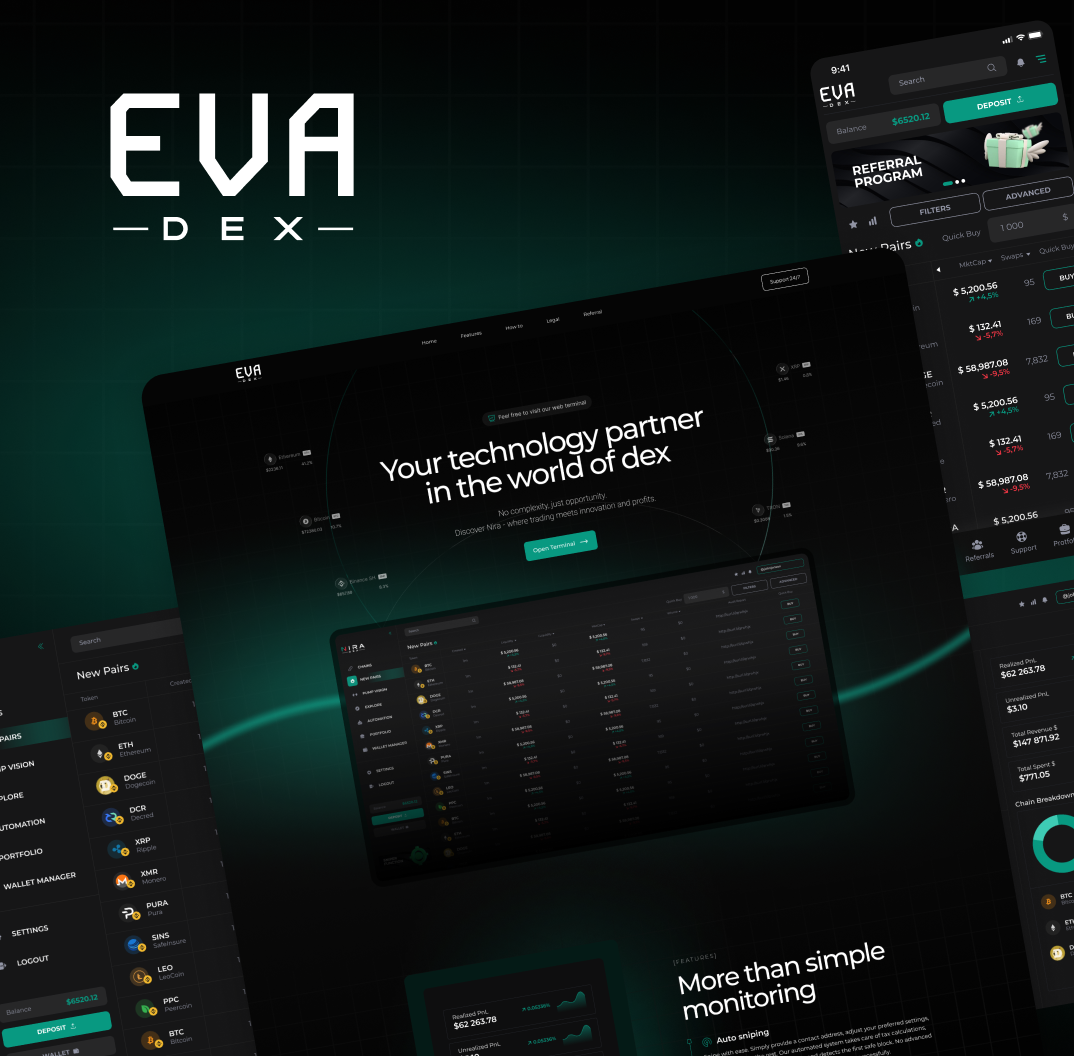
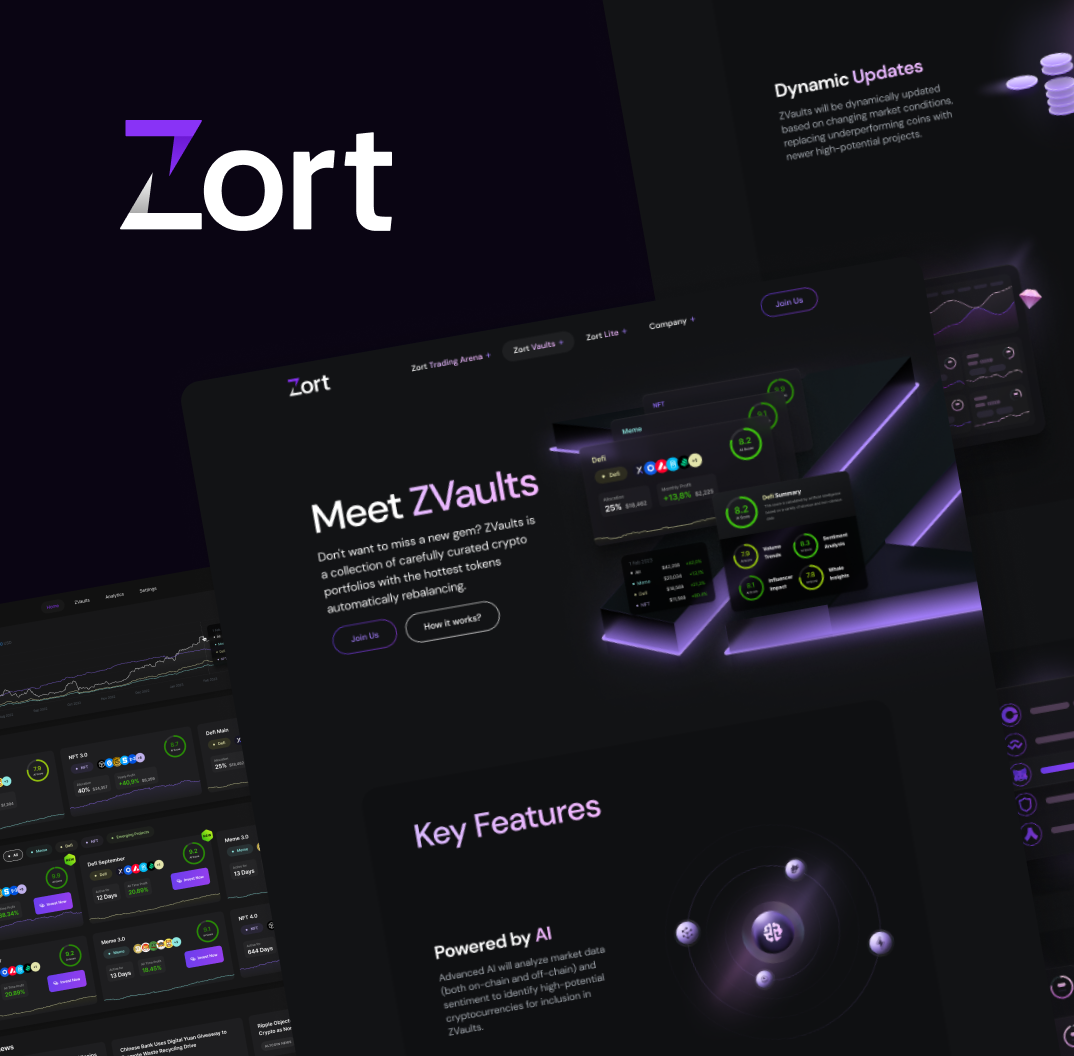
View all case studiesProjects from our portfolio. Each case study describes its scope, technologies and implemented features.
04 / ENGINEERING
What we consider before development
Realistic testing
Account for fees, slippage and data limitations; backtests do not predict returns.
API keys
Restrict permissions and separate trading access from withdrawals.
Emergency stop
Define limits, connection-loss behaviour and a stop mechanism.
05 / COST AND TIMELINE
An estimate for your scope
Define the first release and acceptance criteria, then estimate development, integrations and testing by stage.
First release
Strategies, parameters and trading instruments.
Logic and integrations
Exchanges, data sources, order types and API limits.
Testing and launch
Historical data, simulation, limits and monitoring.
06 / PROCESS
From discussion to a working product
-
Understand the scope
Review the product, users and constraints. Agree on priorities.
-
Design the solution
Define workflows, architecture and acceptance criteria.
-
Build and validate
Share progress and test features and integrations.
-
Release and hand over
Prepare the release, deliver source code and agree on further support.
What our clients say
All reviewsIn the end, we received a complete, working product. The team is responsible, stays in touch and is committed to the outcome. I can recommend them for complex development projects.
Product development
Review excerpt
The team immersed themselves in the project and proposed a clear architecture and a phased work plan. All the key MVP features were implemented with security and scalability requirements in mind.
Crypto wallet · Web & Mobile
Review excerpt
07 / GOOD TO KNOW
Questions and answers
Which exchanges do you build bots for?
For centralized exchanges (Binance, Bybit, OKX, and others) via official APIs, and for DEXes (Uniswap, PancakeSwap, and similar) via smart contract interaction and on-chain data.
Which trading strategies can be automated?
Market making, arbitrage, grid and DCA strategies, signal following and custom rules from your specification. Before development, define entry and exit conditions, limits and failure behaviour.
How does the bot protect API keys and funds?
API keys are created without withdrawal permissions and stored encrypted; the bot is deployed on your own infrastructure, so only you have access to the keys and the strategy logic.
Can I test a strategy before trading real money?
Yes. We backtest on historical data, run the bot in paper-trading mode and on testnets, and then gradually move it to the live market with limited position sizes.
How long does it take to develop a trading bot?
We estimate the first release, integrations, readiness of source data and required testing. After discussing the scope, we provide an estimate by stage, with external services and future work listed separately.
What happens if an exchange changes its API?
As part of ongoing support we track exchange API updates and DEX contract changes, adapt the connectors and strategy, and set up monitoring and failure alerts.
Discuss a project
Let’s start with your project
Tell us what you want to build or improve. We will discuss the first release, dependencies and next steps.