
Scalable system development
Build and improve services for growing traffic, data and transaction volumes. Validate architecture with load tests and make system behavior observable.
No specification yet? Start with your idea and the problem to solve.
01 / CAPABILITIES
What we can build
Architecture for demand
Caching, queues, component boundaries and scaling based on measured needs.
Service optimization
Find bottlenecks in queries, APIs, event handling and resource usage.

Observability and operations
Metrics, logs, alerts, load scenarios and recovery procedures.
02 / DELIVERABLES
What your team receives
Measure current load and define target response times, peak traffic, data volumes and recovery objectives before choosing the architecture.
-
Load profile
User scenarios, peaks, data sets and performance criteria.
-
Architecture and code
Application, database and infrastructure changes addressing measured limits.
-
Test report
Load test results, known limits and recommendations.
-
Operations
Monitoring, release procedures and a scaling roadmap.
03 / OUR EXPERIENCE
Projects by our team
View all case studiesProjects from our portfolio. Each case study describes its scope, technologies and implemented features.

CryptoCubes
Blockchain game on the Tron smart contract

Alo Finance
Investor Dashboard
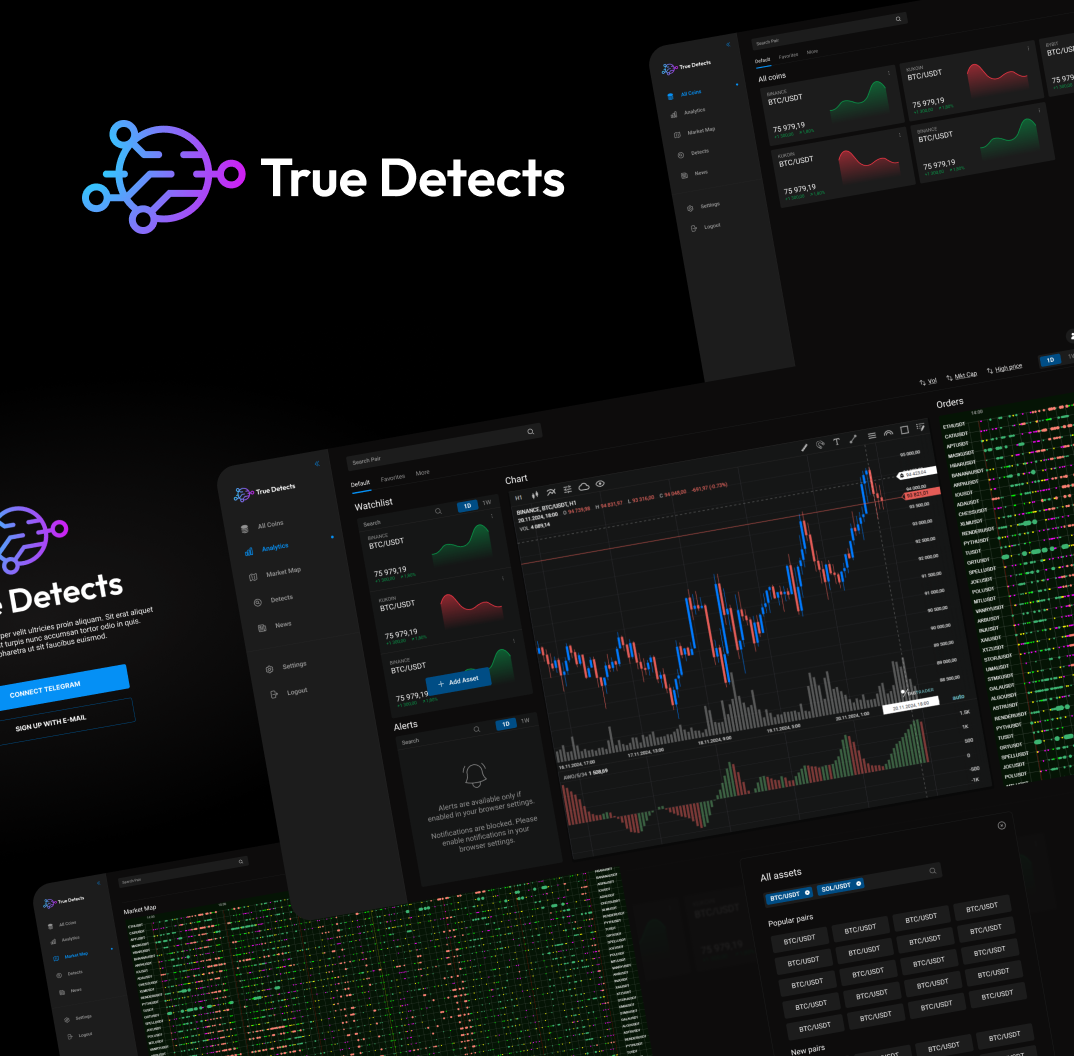
True Detects
Front-End for an Analytical Trading Service

EVADEX
Platform for DEX trading
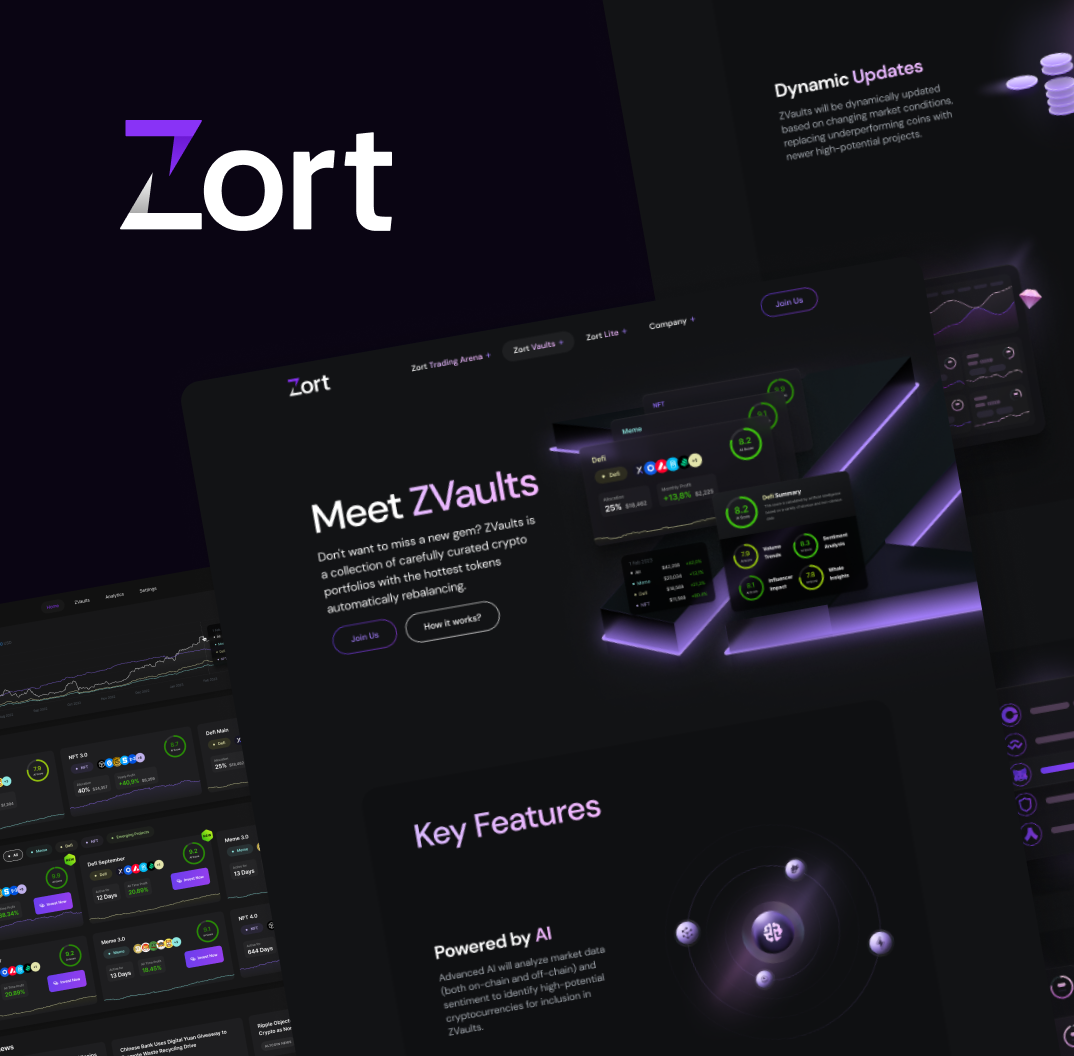
Zort
Service for collecting token pools for Uniswap
04 / ENGINEERING
What we consider before development
Performance targets
Validate an agreed workload instead of promising abstract traffic numbers.
Failure handling
Plan service degradation, redundancy and data recovery.
Infrastructure cost
Balance spare capacity, operating cost and business priorities.
Technologies and integrations
Technologies
05 / COST AND TIMELINE
An estimate tailored to your project
We agree on the first release and acceptance criteria, then estimate development, integrations and testing by stage.
First release
Target workload, data volumes and existing architectural constraints.
Logic and integrations
Components, queues, databases and external dependencies.
Testing and launch
Load profiles, failure scenarios and monitoring.
06 / PROCESS
From discussion to a working product
-
Understand the scope
Review the product, users and constraints. Agree on priorities.
-
Design the solution
Define workflows, architecture and acceptance criteria.
-
Build and validate
Share progress and test features and integrations.
-
Release and hand over
Prepare the release, deliver source code and agree on further support.
What our clients say
All reviewsIn the end, we received a complete, working product. The team is responsible, stays in touch and is committed to the outcome. I can recommend them for complex development projects.
Product development
Review excerpt
The team immersed themselves in the project and proposed a clear architecture and a phased work plan. All the key MVP features were implemented with security and scalability requirements in mind.
Crypto wallet · Web & Mobile
Review excerpt
07 / GOOD TO KNOW
Questions and answers
When does a business actually need development for high-traffic systems?
When a service must handle thousands of concurrent users, traffic spikes at peak hours, or regular resource-intensive operations: payment processing, streaming, real-time analytics. If a conventional architecture starts failing under load, that is exactly our field.
How do you design architecture for high loads?
We split the system into independent services, move heavy operations into queues (Kafka, RabbitMQ), set up Redis caching, and shard and replicate databases. Bottlenecks are identified with capacity planning before any code is written.
Do you run load testing?
Yes, it is a mandatory stage: we model realistic traffic profiles in k6 and Locust, profile the code and the database, and find the system limits and degradation points. You get a report with numbers and an optimization plan.
Can you optimize a live system that is struggling under load?
Yes. We start with an audit: metrics, logs, slow queries, architecture. Then we remove bottlenecks step by step — without taking the service down or rewriting everything from scratch.
What infrastructure and monitoring do you use?
Kubernetes with autoscaling, load balancers, Prometheus and Grafana for metrics, centralized logging and alerting. Your team learns about an issue before your users do.
How much does a high-traffic system cost and how long does it take?
Cost and timing depend on the current architecture, target traffic, data volume and performance requirements. We begin with an assessment, identify bottlenecks, and estimate improvements and load testing in stages.
Discuss your project
Let’s start with your project
Tell us what you want to build or improve. We will discuss the first release, dependencies and next steps.