React

Deweloper
Meta
Repository
License
MIT

Description of React

React is a modern JavaScript library designed for building user interfaces. It enables the development of scalable and fast web applications by providing developers with a convenient way to manage state and component structure. Thanks to its component-based approach, React ensures modularity and code reusability, which is especially important when creating complex interfaces.

React is widely used in front-end web application development, including solutions for blockchain platforms where high interactivity and stability are required. Efficient UI updates based on the virtual DOM and support for a wide range of ecosystem tools make React a reliable choice for projects with high requirements for performance and user experience.

React Projects

Projects using React

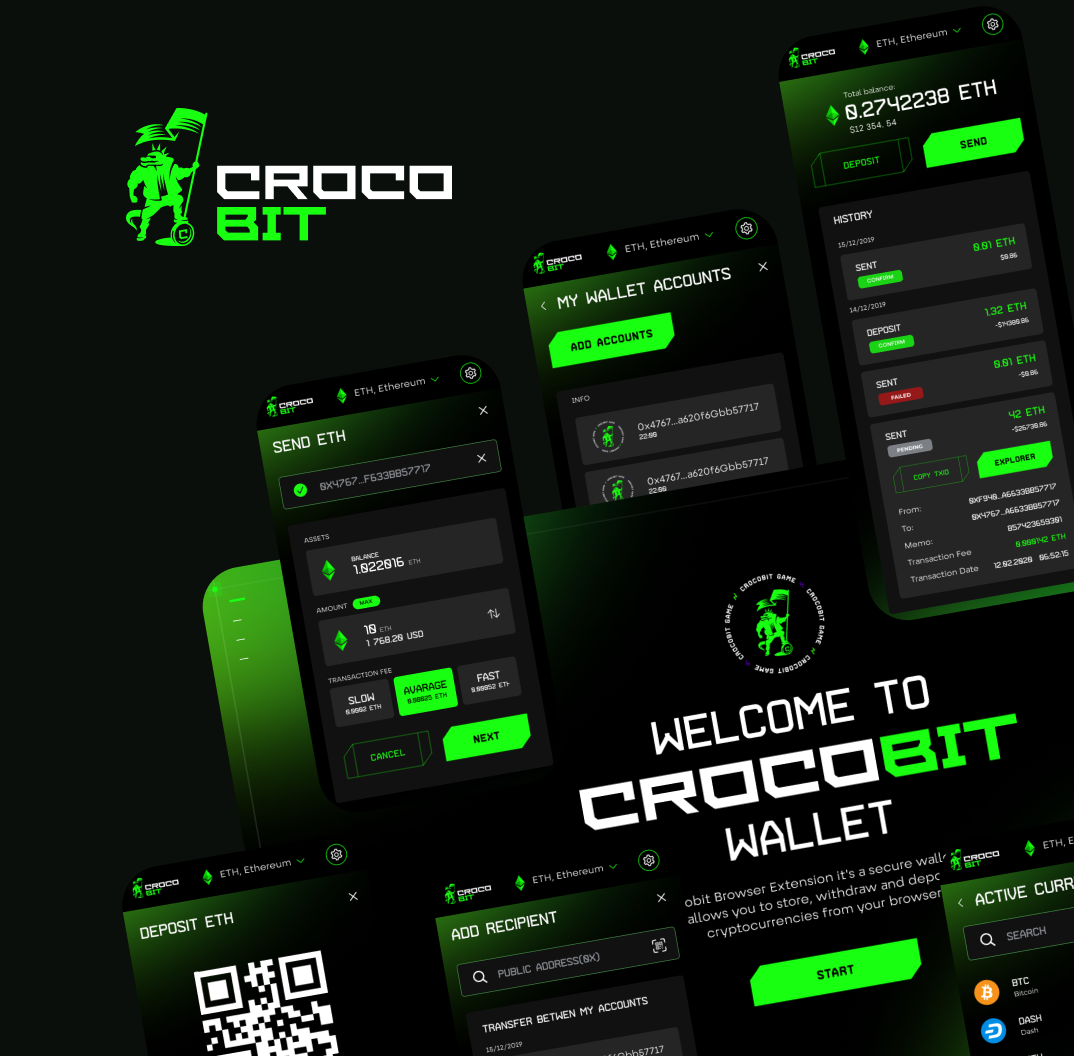
Crocobit Extansion
Google Chrome Extension — Cryptocurrency Wallet
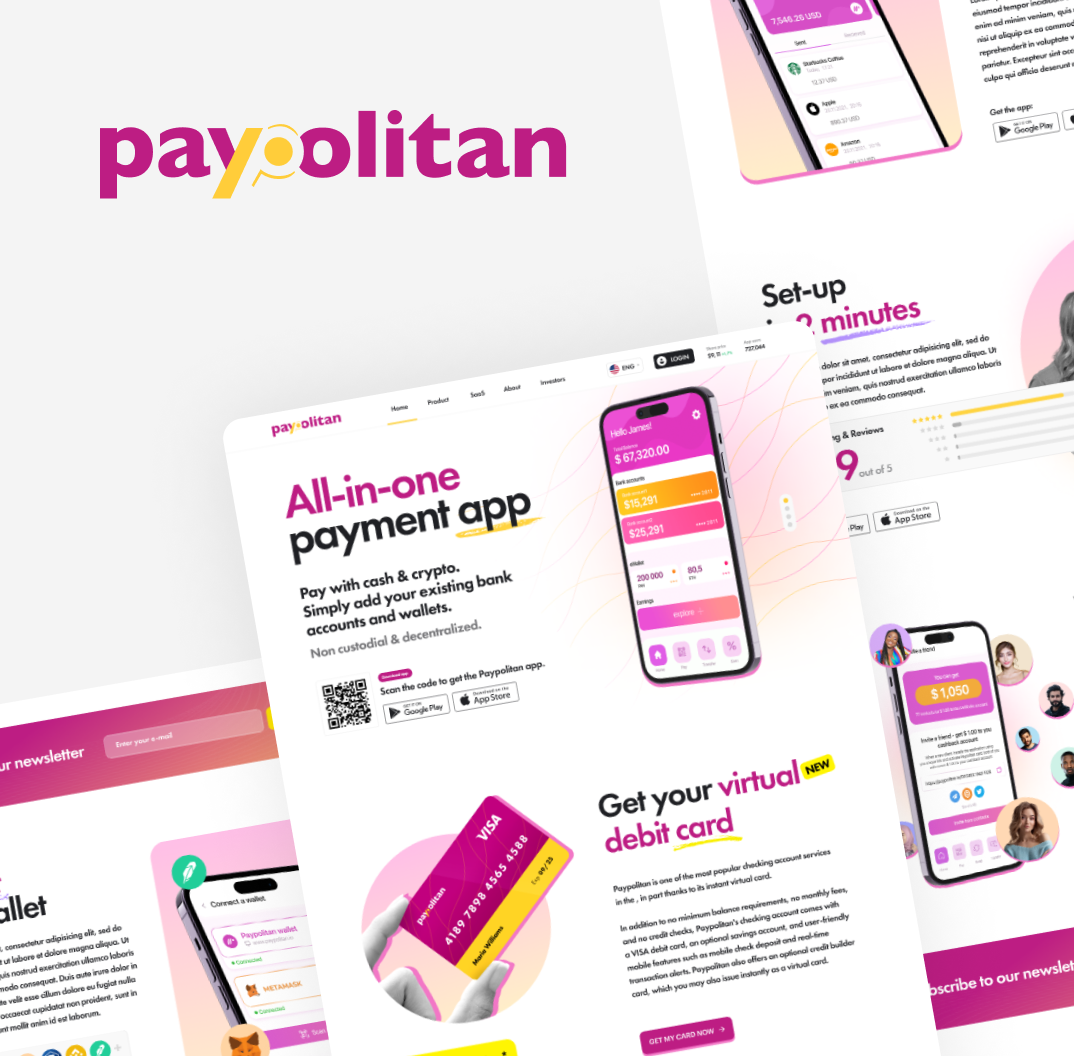
Paypolytan
Website for the Paypolytan Token
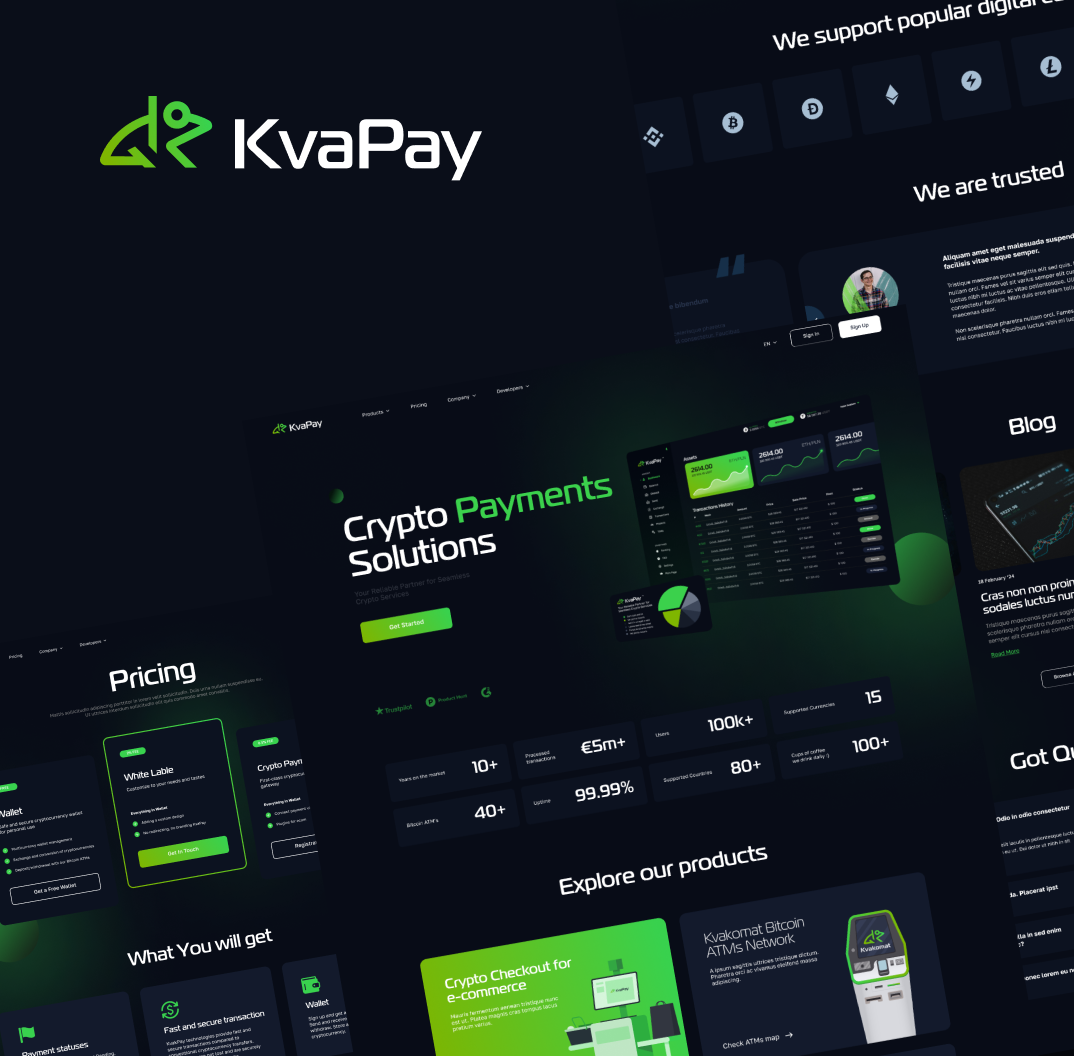
KvaPay
Design and Front-End for the Kvapay Wallet
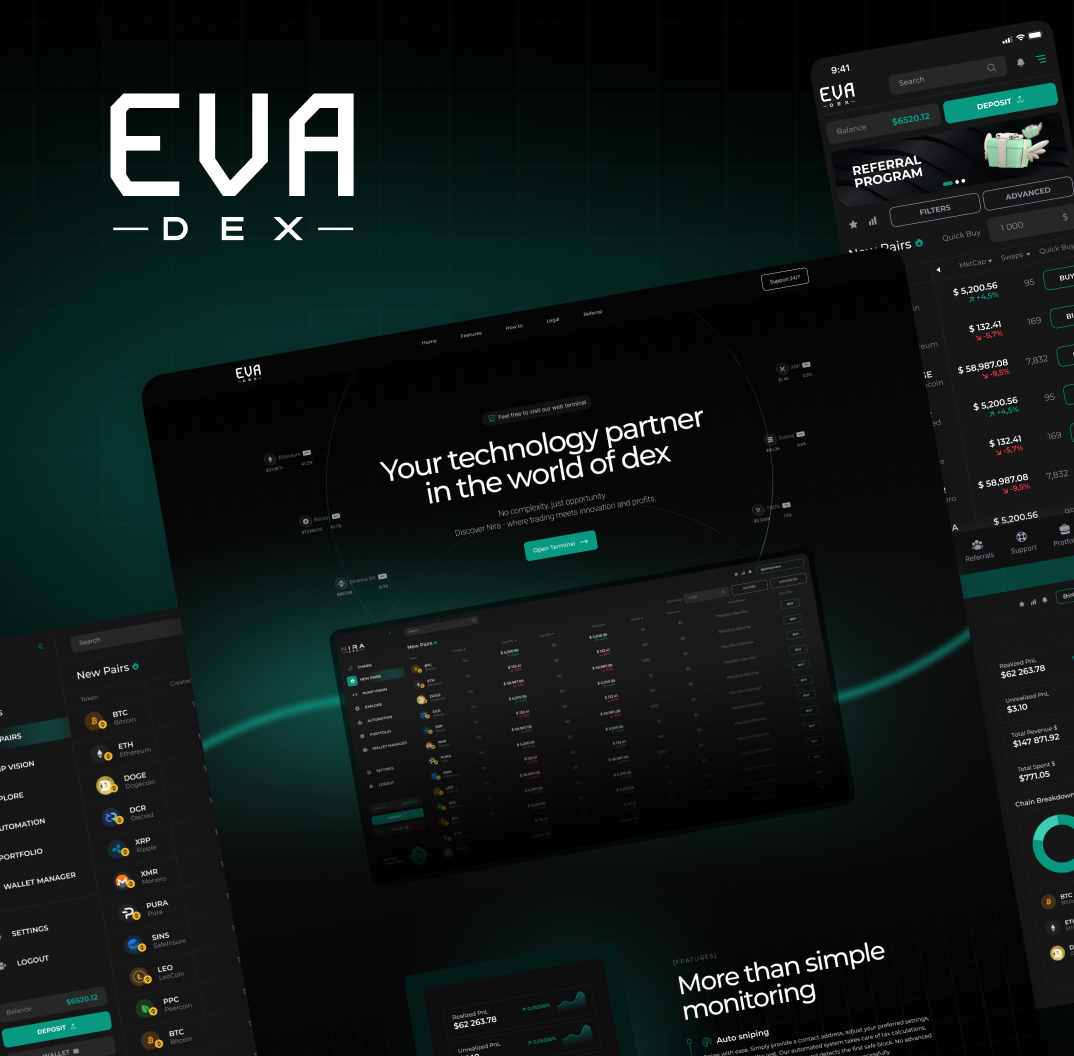
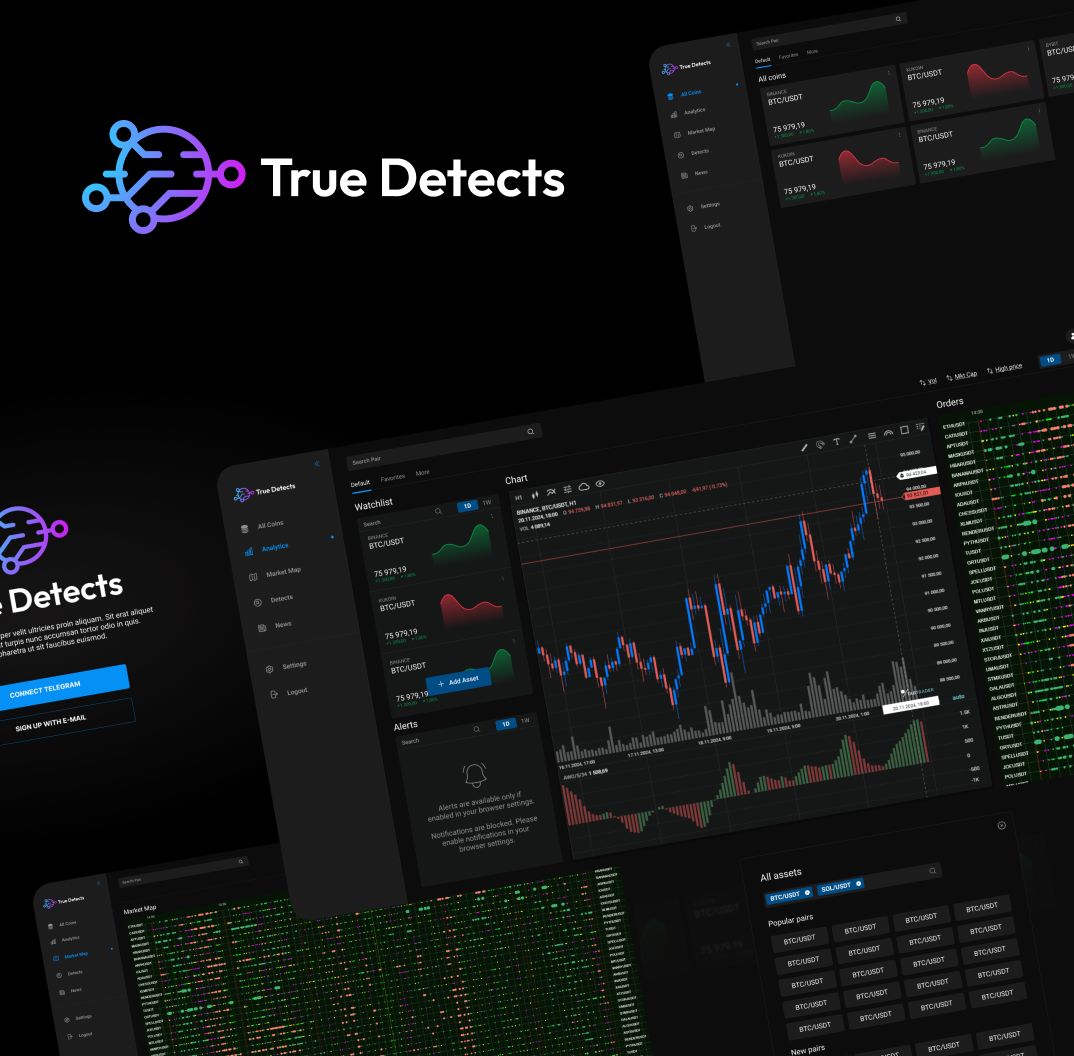
True Detects
Front-End for an Analytical Trading Service
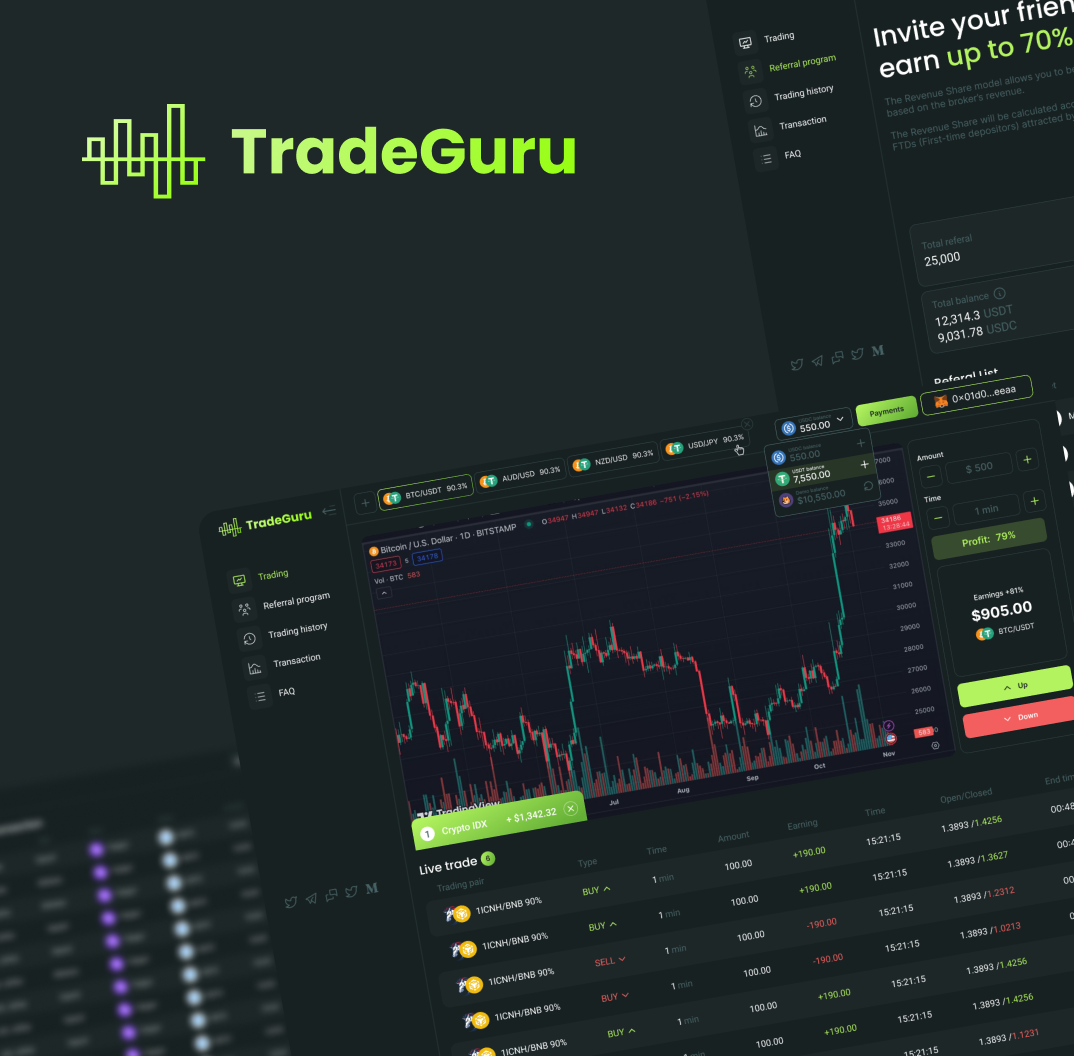
TradeGuru
Binary Trading Platform on Smart Contracts
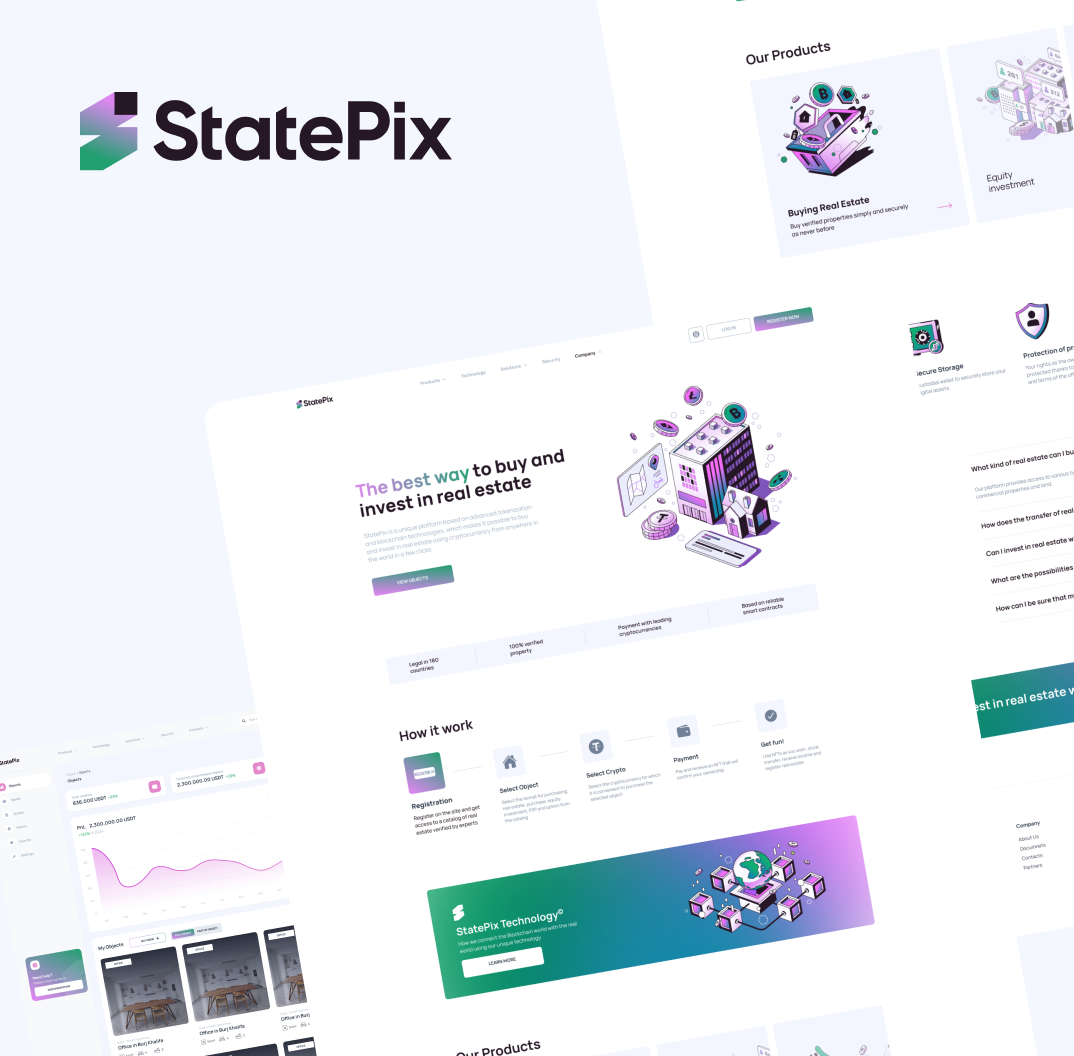
StatePix
Platform for Buying and Selling Real Estate via NFTs
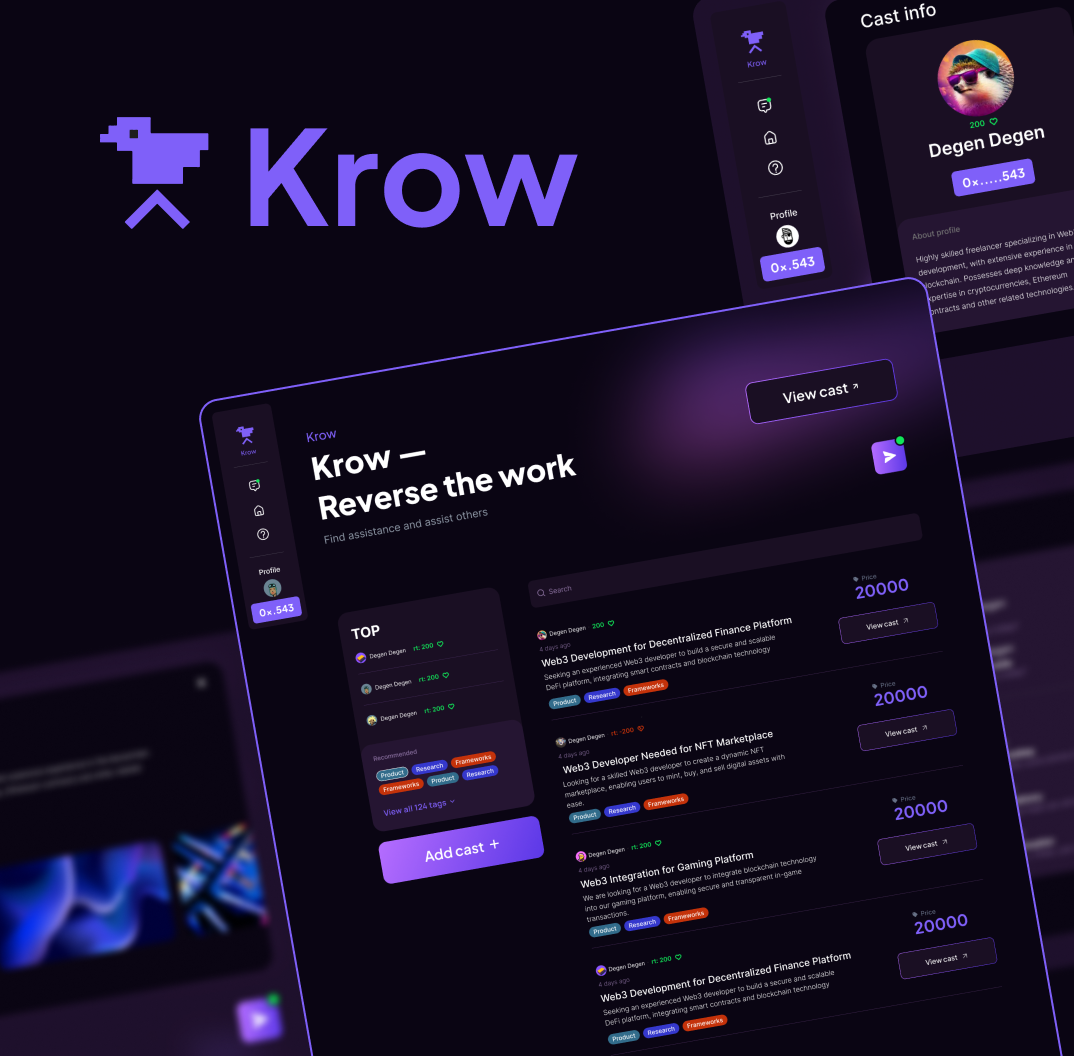
Krow
Smart Contract-Based Freelance Marketplace for Forcaster
KOL APP
Telegram Mini App, Solana farming

Other technologies

Mentions of React in the blog:
FREEBLOCK
Other
Custom NFT Marketplace — A Complete Guide to Building and Launching an NFT Platform in 2025
An NFT marketplace will become one of the central platforms in the digital economy of the future. The non-fungible token NFT market attracts artists, collectors, and entrepreneurs for the sale of unique content and rights to goods. In Singapore, Estonia, and South Korea, non-fungible tokens are already used in government institutions to access services in education, healthcare, and utilities. NFT technologies are actively used within the TON network and Telegram. In the future, we will see the tokenization of identity — the digital unique representation of a person. It will help make life simple, transparent, and protected from scams. That is why personal brands are increasingly paying attention to the prospect of creating their own tokens, while organizations and private individuals are looking at the opportunity to earn through their own NFT marketplaces. We explain how to order and launch a high-converting NFT platform, avoiding mistakes and optimizing costs. An NFT marketplace is a digital platform that provides users with tools for minting, trading, and storing non-fungible tokens. Non-fungible tokens confirm ownership and authenticity of physical goods, services, achievements documented by diplomas, and copyrights. Main digital market trends in this sector: Eco-friendly blockchains — digital environments that consume energy from wind generators and solar panels, and direct part of the funds to environmental protection foundations. AI integration into economic systems for managing financial assets. The growth of multiplatform distribution — the spread of the same content across different devices and in different formats (audio, video, interactive software). An NFT marketplace is becoming not only a trading platform, but also a hub for digital art ecosystems. Popular platforms: OpenSea — the largest marketplace with support for Ethereum and Polygon. Rarible — a platform with decentralized governance. Mintable — focused on the simplicity of creating non-fungible tokens. Getgems — focused on the TON blockchain community and social interaction between users. Each of these platforms is unique in functionality, audience, and directs users toward different niches and business goals. Why and When People Order a Marketplace for Trading Non-Fungible Tokens You need to order a platform for trading and creating NFTs in order to: Earn from trading digital assets. Develop the diversity of digital content presented online. Ensure 100% protection against counterfeiting and fraud when buying and selling physical and digital goods. Make investments accessible to everyone. Bring together creative people and investors. Create unique functionality tailored to business goals. Safely integrate with third-party services. Advantages of a custom solution — developing and launching a platform on demand: Full customization according to your requirements. Scalability and expansion opportunities. Full control over data and transactions. Successful projects for developing and launching marketplaces for trading non-fungible tokens bring new monetization ideas to the market — subscriptions, exclusive rights, and auctions. Before starting development, it is important to conduct a thorough market and competitor analysis, define the target audience and platform goals, and choose a blockchain — Ethereum, Binance Smart Chain, Polygon, or TON. Then you need to: Design the UX/UI interface for user convenience. Create smart contracts for minting and managing NFTs. Integrate blockchain wallets and payment solutions into the platform environment. Conduct multistage testing of security and performance. Launch the platform and begin collecting feedback. This sequence will ensure the effectiveness and flexibility of the NFT marketplace. Pay attention to the technology stack: Backend: Node.js, Python. Frontend: React, Vue.js. Smart contracts: Solidity, Vyper, Rust. NFT media storage: IPFS, Arweave — decentralized solutions. Infrastructure: cloud services and scalable databases. Optimizing work with large files helps preserve speed and reliability under high load. The budget for preparing and launching a platform for trading non-fungible tokens is shaped by the platform’s functional scope, its level of security, and the degree of complexity involved in working on the chosen blockchain platform. Price range: Project scale Cost MVP projects $10,000 Mid-level solutions $10,000–$25,000 Full-scale NFT platforms more than $50,000 Launching with minimal functionality and developing step by step will help optimize costs. Selection criteria: Experience with NFTs and blockchain development. Proven case studies and reviews. Understanding of the security and economics of non-fungible tokens. Flexible cooperation terms with a transparent contract. Avoid contractors without a portfolio and with non-transparent financial terms. To promote a new resource that provides the ability to sell and buy non-fungible tokens, it is necessary to build a community, engage users through social media, collaborate with influencers, launch email campaigns, and run airdrops to attract users. Promotion strategies should be focused on the uniqueness of the offer and audience trust. After launch: Regularly update security and functionality. Analyze analytics to improve UX. Respond to feedback to maintain user loyalty. Ongoing support is the key to platform stability and growth. Ordering an NFT marketplace is a complex task that requires planning, choosing a reliable team, and thoughtful marketing. A properly built platform for minting and trading non-fungible tokens opens up new opportunities for businesses and creators. Start with minimal functionality, invest in security, develop, and scale your NFT project in 2025.
5 minutes to read

Submit an application

!
The field is filled in incorrectly
!
The field is filled in incorrectly
We process cookies. By continuing to use this site, you consent to the use of cookies in accordance with privacy policy